
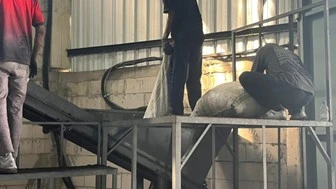
Raw Material Selection
Coconut shell charcoal serves as the primary raw material in the briquette production process. The dried material is carefully sieved to separate the charcoal from any remaining impurities, dust, or unwanted residues.
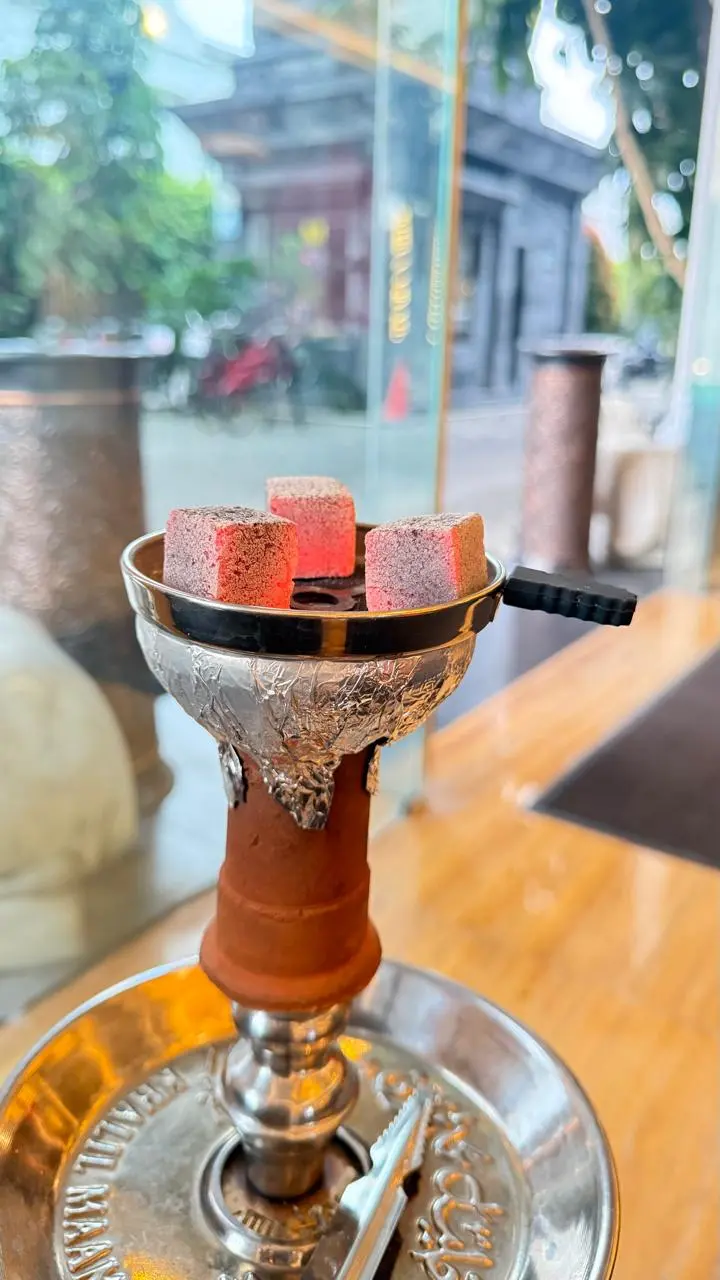
Charcoal briquette production includes a series of controlled activities. It starts with selected raw materials and continues through grinding, mixing, molding, oven drying, cooling, testing, packaging, and storage.
Charcoal briquette production is the process of turning coconut shell charcoal and selected supporting materials into ready-to-use briquettes. The process does not only focus on forming the briquette shape. Sorting, grinding, heating, cooling, quality control, and packaging also determine the final product quality.
Every stage must follow a clear working standard. This helps the product stay clean, consistent, strong, dry, and ready for distribution.
The method starts with raw material selection. Only clean and qualified materials enter production. The heating process may take up to 48 hours, followed by quality inspection before the product is packed and distributed.
Coconut shell charcoal serves as the primary raw material in the briquette production process. The dried material is carefully sieved to separate the charcoal from any remaining impurities, dust, or unwanted residues.
The coconut shell charcoal is then transferred via conveyor to the milling machine, during which the material undergoes an additional screening process to remove any remaining impurities and ensure consistent raw material quality.
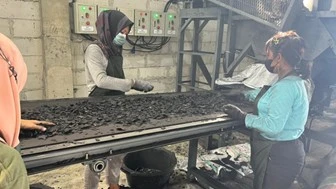
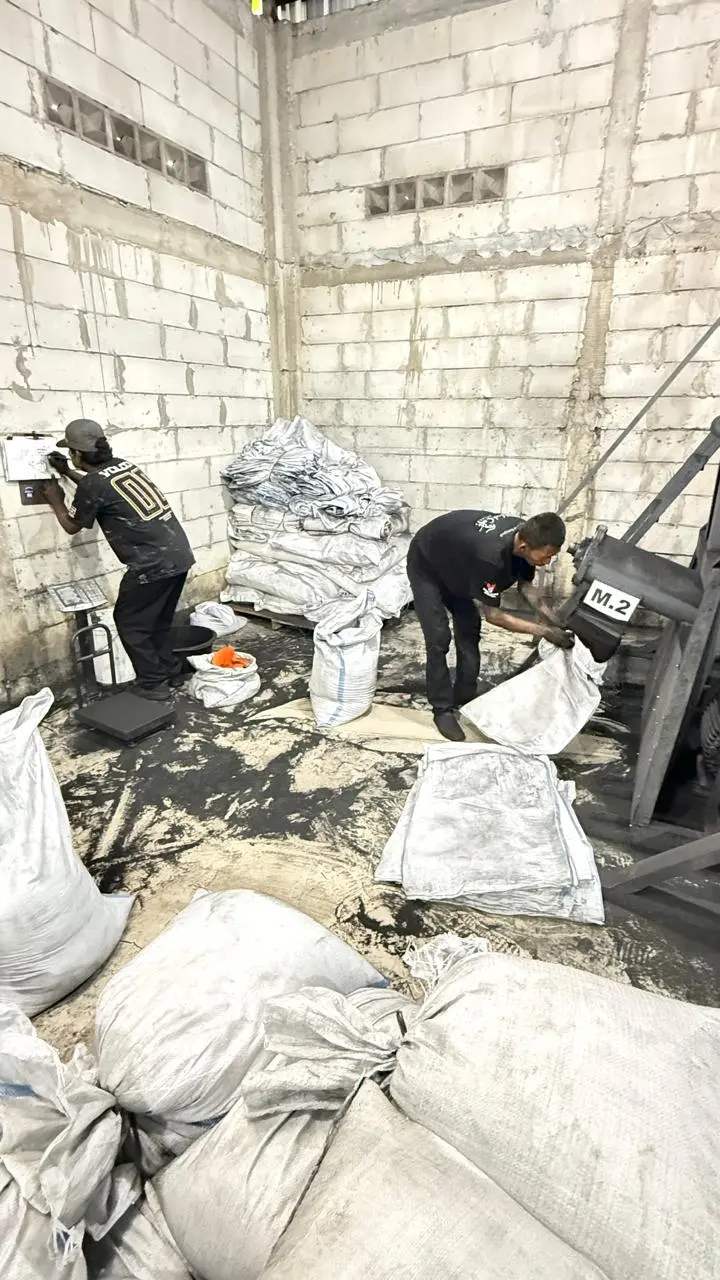
The cleaned coconut shell charcoal is then milled into powder material with a particle size of approximately 2.5 mm, suitable for the next production stage.
The milled material is then processed in the mixing machine according to the composition and formulation determined by the quality control team, resulting in a homogeneous mixture.
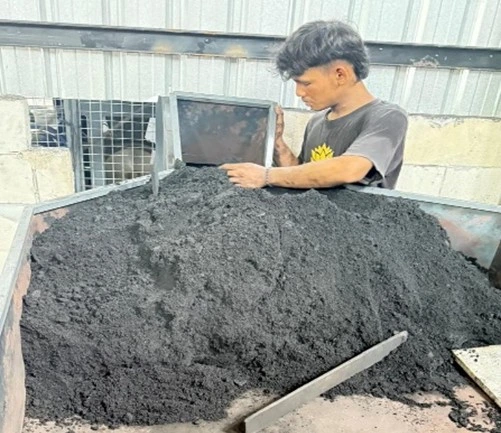
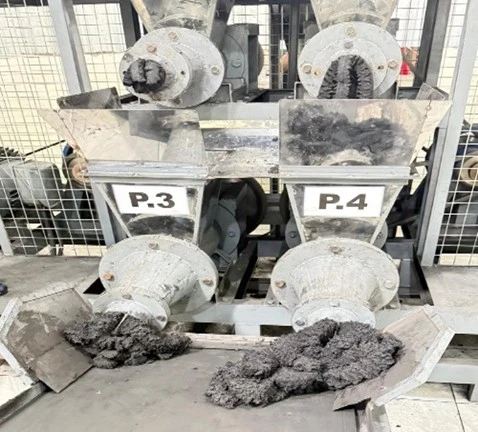
The homogeneous mixture is further blended with the addition of water and controlled heat, allowing all components to react completely and achieve the desired consistency.
The blended material is then molded into the required briquette sizes using the extrusion machine. The molded briquettes are carefully separated to prevent sticking and maintain their shape.
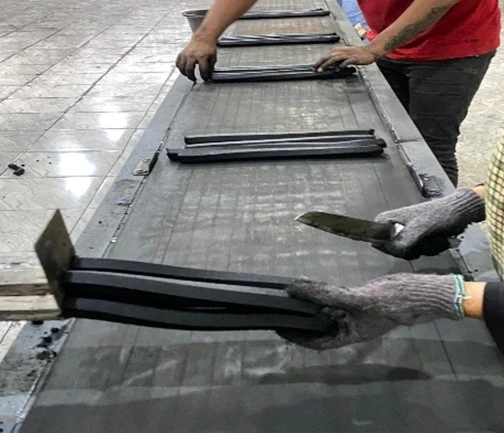
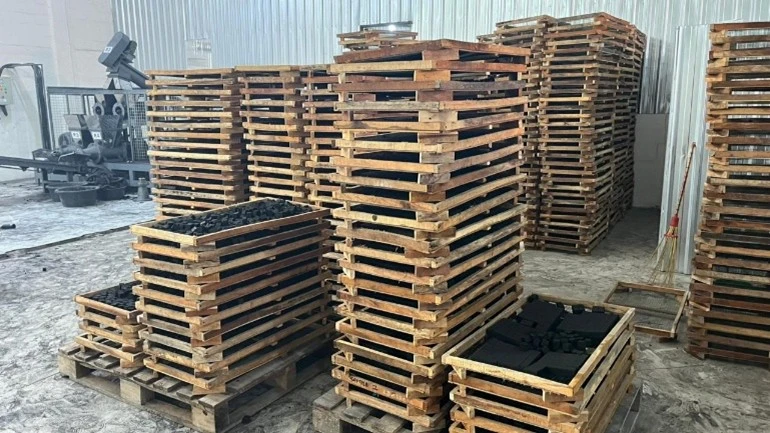
The briquettes are carefully arranged on trays and racks before entering the drying stage in the oven. Proper arrangement is maintained to preserve product shape and allow even drying.
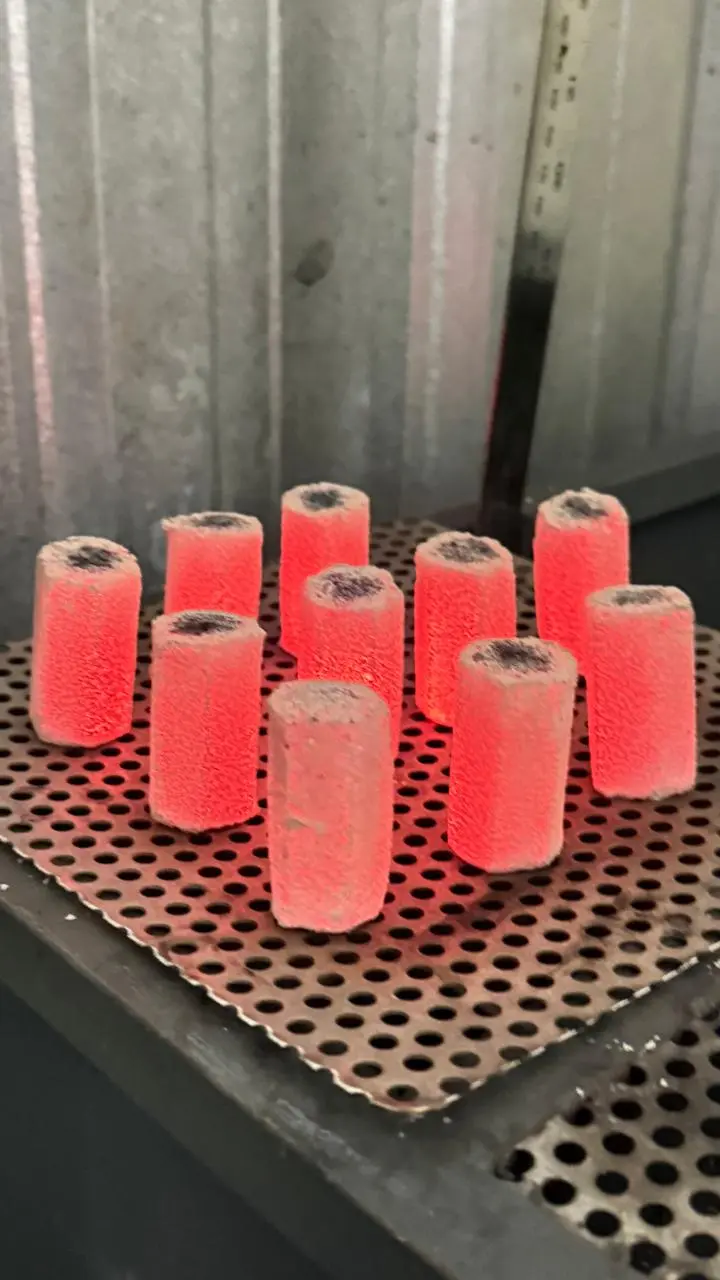
The drying process takes place inside the oven, where the temperature is gradually increased over a controlled period to reduce moisture content and strengthen the briquette structure.
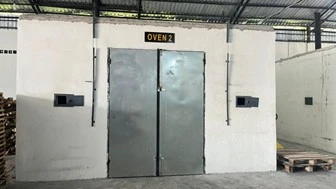
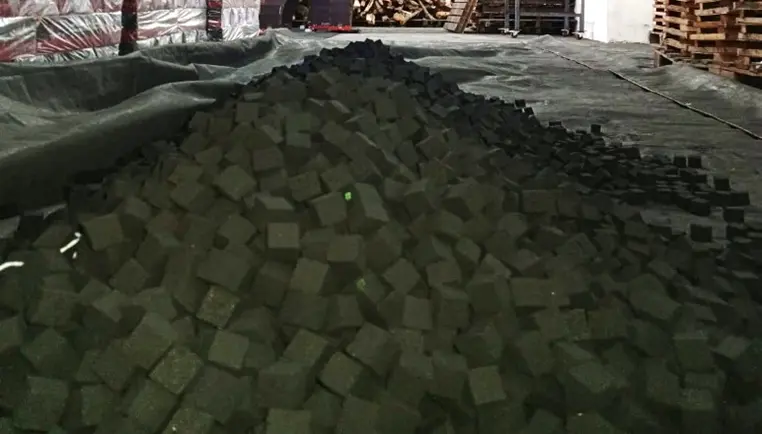
After the drying process is completed, the briquettes are placed in an open covered area until their temperature naturally cools down to room temperature.
The briquettes that have completed the weathering process are then packed according to customer order specifications and shipment requirements.
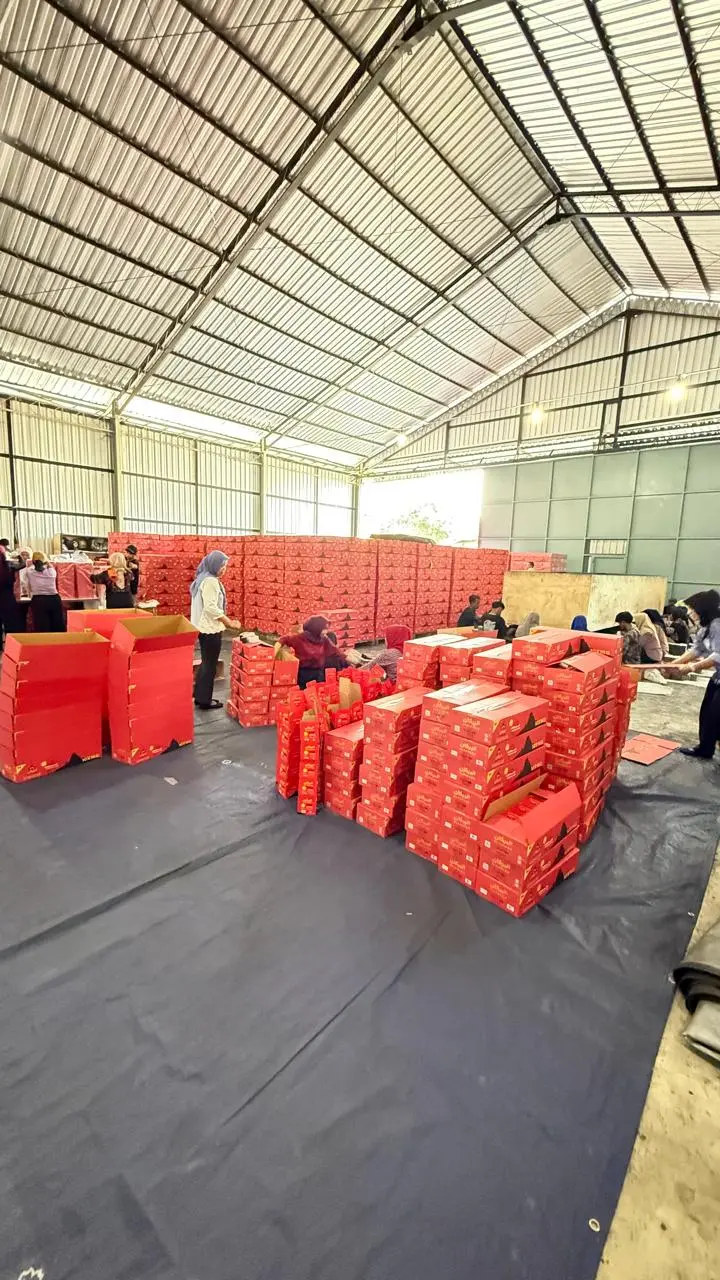
Product temperature is checked and recorded before packing. Cooling takes at least 48 hours, and the packaging temperature must stay stable before the product is released.
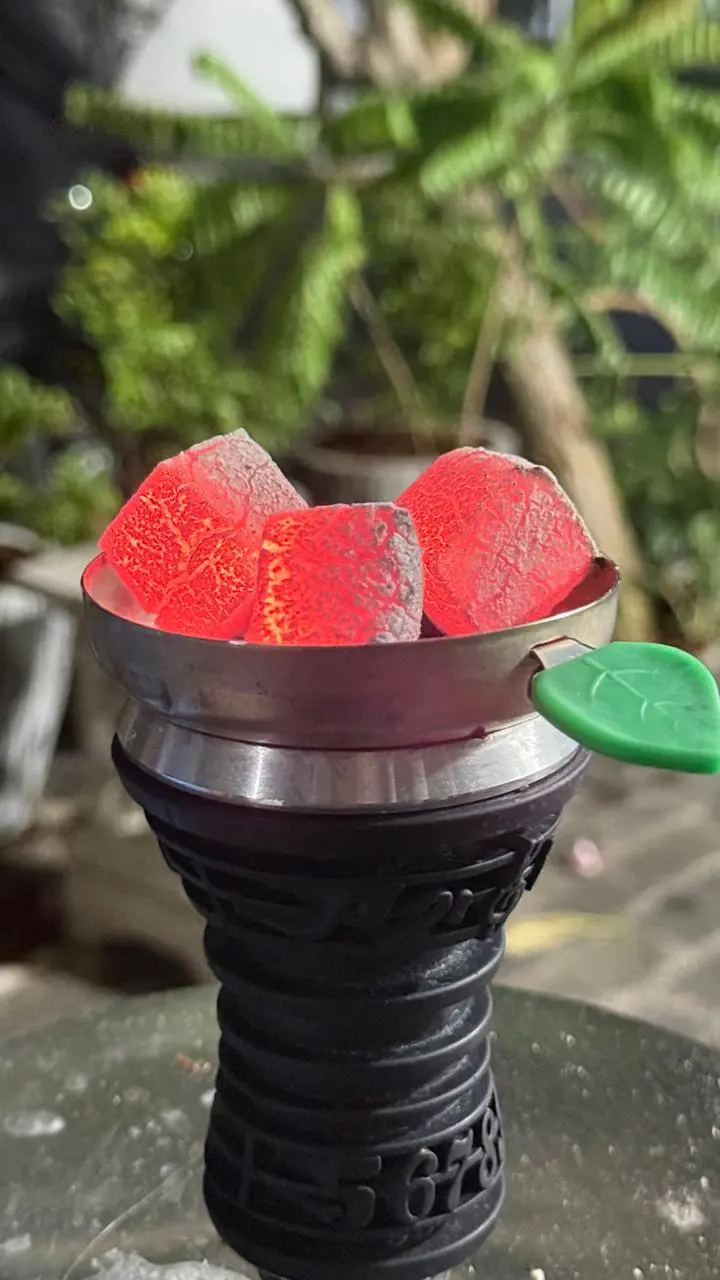
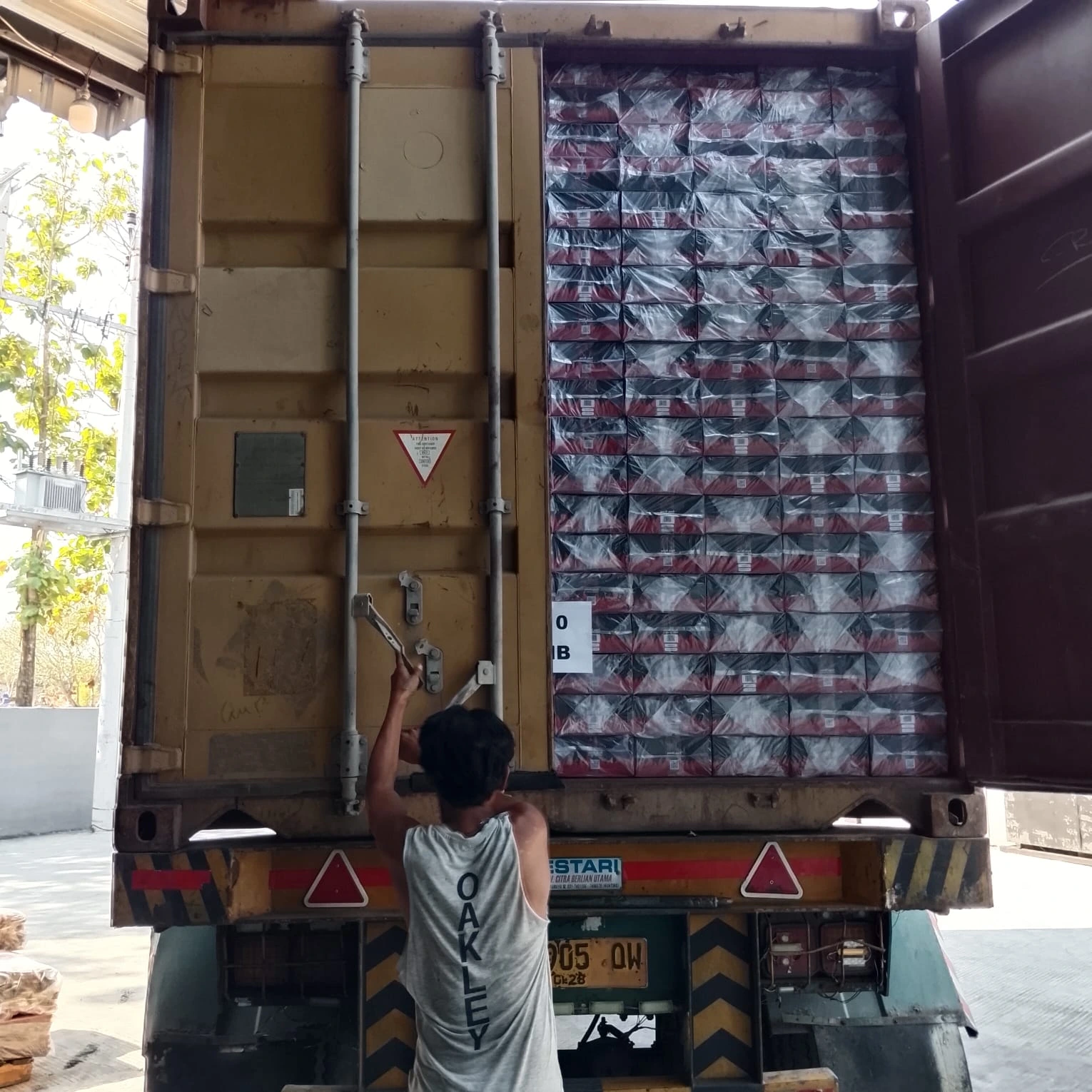
All boxes are sealed with tape for stronger protection. The boxes are arranged on pallets with a capacity of up to 1 ton and stored in the warehouse before delivery.
The warehouse team monitors humidity and storage temperature. Product release follows the first-in, first-out system, while stock data is updated regularly to track product movement.
Chalabi Charcoal provides coconut shell charcoal briquettes for local and international needs. We continue improving production management, documentation, and quality control to deliver stable and competitive products.
Contact Us on WhatsApp